Let's talk about the elephant in the room: most people approach high-intensity training for weight loss completely wrong. They go all-in, do HIIT every single day, barely eat, and then wonder why they're exhausted, injured, and not losing weight.I've seen it happen over and over with clients - they come to me burnt out from …

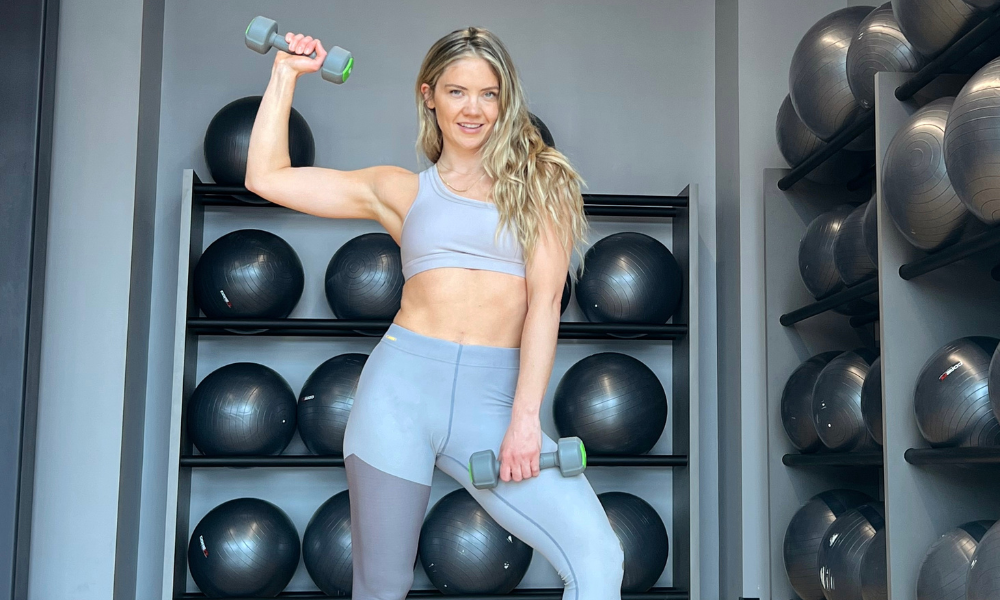
Let’s talk about the elephant in the room: most people approach high-intensity training for weight loss completely wrong. They go all-in, do HIIT every single day, barely eat, and then wonder why they’re exhausted, injured, and not losing weight.
I’ve seen it happen over and over with clients – they come to me burnt out from doing too much, too hard, too often. And here’s the truth: HIIT can be incredibly effective for fat loss, but only when you do it smartly and sustainably.
So let’s break down how to actually use high-intensity training for weight loss without destroying yourself in the process.
Why HIIT Works for Fat Loss (The Science Part)

High-Intensity Interval Training works for fat loss because of a few key reasons:
1. The Afterburn Effect (EPOC)
After a HIIT session, your body continues burning calories for hours as it recovers. This is called Excess Post-Exercise Oxygen Consumption (EPOC). Basically, your metabolism stays elevated long after you’re done working out.
2. Time Efficiency
You can burn a significant amount of calories in 20-30 minutes of HIIT compared to 60+ minutes of steady-state cardio. Perfect for busy people who don’t have hours to spend at the gym.
3. Preserves Muscle Mass
Unlike excessive cardio that can break down muscle, properly structured HIIT helps you maintain (or even build) lean muscle while losing fat. More muscle = higher metabolism = more calories burned at rest.
4. Improves Insulin Sensitivity
HIIT helps your body use carbs more efficiently, which supports fat loss and reduces fat storage.
In 2025, technology has made this process even more effective. With wearable devices tracking your heart rate, recovery readiness, and even hormonal cycles, women can now tailor their HIIT sessions to their unique physiology. It’s no longer about pushing harder every day; it’s about training smarter every week.
The Biggest Mistakes People Make (And Why You're Burning Out)
Before we get into what works, let’s talk about what doesn’t:
Mistake #1: Doing HIIT Every Single Day
Your nervous system can’t handle high-intensity training daily. Doing HIIT 6-7 days a week leads to hormonal imbalances, chronic fatigue, and eventually, weight loss plateaus or even weight gain from stress.
Mistake #2: Not Eating Enough
You can’t out-train a restrictive diet. When you combine intense exercise with very low calories, your body goes into survival mode, holds onto fat, and your metabolism slows down.
Mistake #3: Ignoring Recovery
Fat loss happens during recovery, not during the workout. If you’re not sleeping well, managing stress, or taking rest days, you’re sabotaging your results.
Mistake #4: Only Doing Cardio-Based HIIT
Burpees and jumping jacks are great, but if you’re not incorporating resistance training, you’re missing out on building the lean muscle that keeps your metabolism high.
Real talk: If you’re doing everything “right” but exhausted, irritable, constantly sore, or not seeing results – you’re probably overdoing it.
The Smart Way to Use HIIT for Fat Loss
Here’s how to structure high-intensity training for sustainable fat loss:
The Formula:
- 2-3 HIIT sessions per week (NOT every day)
- 2-3 strength training sessions per week
- 2-4 Zone 2 cardio sessions (low-intensity walking, cycling, etc.)
- At least 1 full rest day
Why this works: You’re creating a calorie deficit through a combination of intense training, muscle-building, and steady-state movement – without overwhelming your nervous system.
Sample HIIT Workouts for Fat Loss
These are designed to maximize calorie burn while being sustainable. Choose one format per session.
Workout 1: Full-Body HIIT (25 minutes)
- Warm-up: 5 minutes
- Circuit (repeat 4 times):
- Kettlebell swings – 40 seconds
- Push-ups – 30 seconds
- Jump squats – 40 seconds
- Mountain climbers – 30 seconds
- Rest – 60 seconds
- Cool down: 5 minutes of stretching


Workout 2: Lower Body Blast (20 minutes)
- Warm-up: 5 minutes
- Circuit (repeat 4 times):
- Jump lunges – 30 seconds
- Goblet squats – 40 seconds
- Burpees – 30 seconds
- High knees – 30 seconds
- Rest – 60 seconds
- Cool down: 5 minutes
Workout 3: Upper Body + Core HIIT (25 minutes)
- Warm-up: 5 minutes
- Circuit (repeat 4 times):
- Dumbbell thrusters – 40 seconds
- Plank to downward dog – 30 seconds
- Dumbbell rows – 40 seconds
- Bicycle crunches – 30 seconds
- Rest – 60 seconds
- Cool down: 5 minutes

Key principle: Work hard during the intervals, but take the full rest period. The rest is what allows you to go hard again in the next round.
Your Weekly Fat Loss Training Schedule
Here’s what a realistic, sustainable week looks like:
A great weekly schedule could look like this:
Monday: Strength training – Lower body
Tuesday: HIIT workout (20-25 min)
Wednesday: Zone 2 cardio (30-45 min walk) + mobility work
Thursday: Strength training – Upper body
Friday: HIIT workout (20-25 min)
Saturday: Zone 2 cardio or Pilates
Sunday: Full rest day
Additional daily movement: Aim for 8,000-10,000 steps per day through walking, taking stairs, etc. This low-intensity movement adds up without adding stress.
Nutrition: You Can't Out-Train a Bad Diet
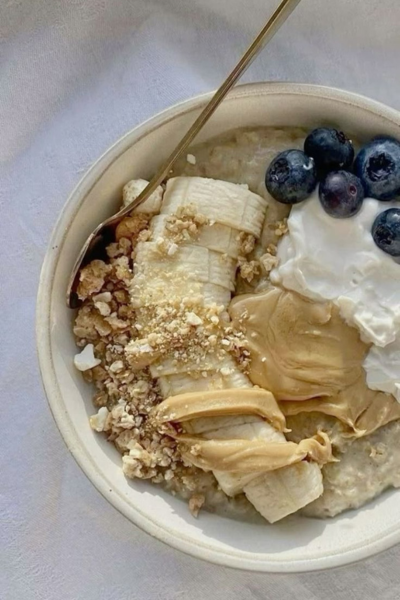
Let’s be honest – fat loss is 80% nutrition, 20% exercise. You need to be in a calorie deficit to lose fat, but it needs to be a smart, sustainable deficit.
What this looks like:
- Eat enough protein: 0.8-1g per pound of body weight. This preserves muscle and keeps you full.
- Don’t cut calories too low: A deficit of 300-500 calories below maintenance is plenty. Going lower will backfire.
- Time your carbs: Have most of your carbs around your workouts for energy and recovery.
- Stay hydrated: At least 2 liters of water daily. Dehydration can stall fat loss.
Real talk: If you’re training hard and barely eating, your body will hold onto fat as a protective mechanism. Eat enough to fuel your workouts and recovery.
Recovery: Where the Fat Loss Actually Happens
You don’t lose fat during your workout – you lose it during recovery when your body repairs and your metabolism stays elevated.
Non-negotiables for fat loss:
Sleep: 7-9 hours per night. Poor sleep increases cortisol (stress hormone) which makes your body hold onto belly fat.
Stress management: High stress = high cortisol = stubborn fat. Incorporate meditation, breathing exercises, or activities that help you unwind.
Active recovery: Light walks, yoga, stretching on rest days keep blood flowing without adding stress.
Listen to your body: If you’re exhausted, take an extra rest day. Pushing through will backfire.

Tracking Progress (Beyond the Scale)
The scale doesn’t tell the whole story. Track these too:
- Progress photos: Take them weekly in the same lighting and clothes
- Measurements: Waist, hips, thighs, arms
- How your clothes fit: Sometimes the scale doesn’t move but your jeans feel looser
- Energy levels: Are you feeling stronger and more energized?
- Performance: Are you lifting heavier or doing more reps?
- Sleep quality: Better sleep often indicates your body is recovering well
Fat loss isn’t linear. Some weeks you’ll see changes, other weeks you won’t. Consistency over time is what matters.
Signs You're Doing Too Much
Watch for these red flags that indicate you’re overdoing it:
- Constantly exhausted even after rest days
- Not sleeping well or waking up tired
- Mood swings or irritability
- Loss of period or irregular cycles
- Always sore and never recovering
- Dreading your workouts
- Constantly hungry or no appetite at all
- Weight loss has stalled or you’re gaining weight despite training hard
If you’re experiencing any of these, take a step back. Add more rest days, reduce intensity, or eat more. Your body is telling you something.
Final Thoughts: Sustainable Fat Loss Is a Marathon, Not a Sprint
High-intensity training can absolutely help you lose fat – but only when it’s part of a balanced, sustainable approach that includes strength training, low-intensity movement, proper nutrition, and real recovery.
You don’t need to destroy yourself every day. You don’t need to do HIIT 7 days a week. You don’t need to starve yourself.
What you need is consistency, smart programming, adequate fuel, and patience. Fat loss takes time, but when you do it the right way, the results last.
What’s been your biggest struggle with fat loss? Drop a comment and let me know – I’d love to help!