Strength training isn’t just for gym bros anymore (honestly, it never should have been). It’s about feeling strong in your everyday life, having energy to actually do things, preventing injuries, and setting yourself up to feel good as you age.

Look, I’m going to be real with you – fitness in 2025 isn’t about chasing whatever trend is blowing up on TikTok this week. It’s about training smart, building real strength, and actually recovering so you don’t feel like you got hit by a truck.
Strength training isn’t just for gym bros anymore (honestly, it never should have been). It’s about feeling strong in your everyday life, having energy to actually do things, preventing injuries, and setting yourself up to feel good as you age.
Over the past year working with clients, I’ve noticed five training methods that consistently deliver results without making you want to quit after week two. This is the kind of stuff I normally walk my coaching clients through, so I’m excited to break it down for you here.
1. Progressive Resistance Training (AKA: Actually Getting Stronger)
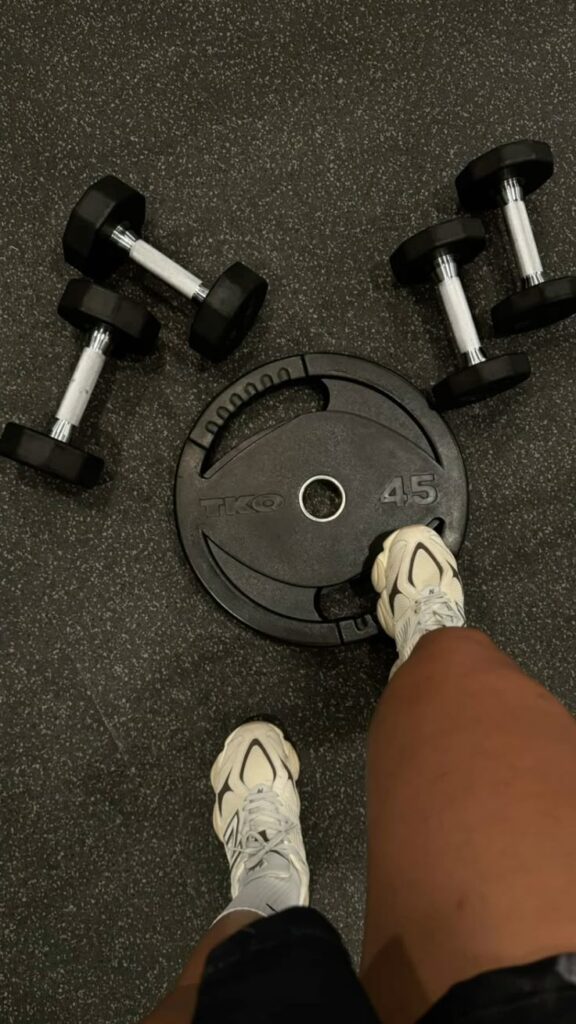
This is the foundation of everything. Progressive resistance just means you’re continually challenging your muscles so they have to adapt and get stronger. It’s not complicated, but it works.
Here’s how to do it:
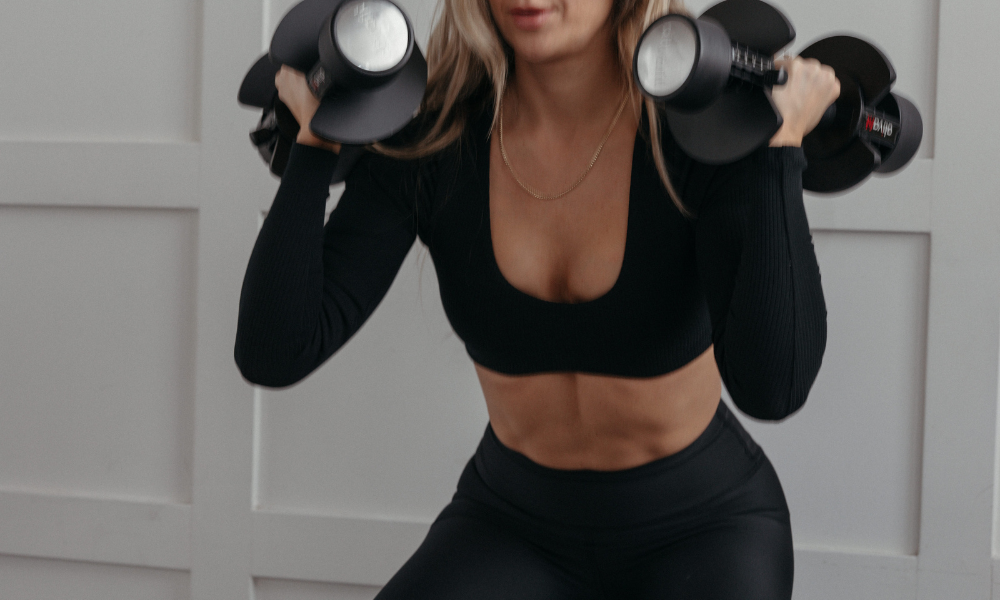
Focus on compound movements first – these are the exercises that work multiple muscle groups at once. Think squats, deadlifts, bench press, rows, overhead presses. These give you the most bang for your buck.
Do 3-5 sets of 6-12 reps depending on what you’re going for. Lower reps with heavier weight = maximal strength. Higher reps with moderate weight = endurance and muscle growth.
The key is gradually increasing the weight or reps over time. I like adding 2-5% more weight or 1-2 extra reps per set each week. Small, consistent progress adds up.
Sample weekly split:
- Monday: Upper body (bench press, rows, overhead press)
- Wednesday: Lower body (squats, deadlifts, lunges)
- Friday: Full-body compound movements
REAL TALK: Track your progress. Use your phone, a notebook, whatever works - just write down your weight, sets, and reps. Seeing tangible progress over time is what keeps you motivated when you don't feel like showing up.
2. HIIT (But Make It Strength-Focused)
HIIT isn’t just for cardio bunnies. When you combine short bursts of intense strength work with minimal rest, you improve cardiovascular fitness, build muscle endurance, and burn a ton of calories. It’s efficient, and honestly, kind of addicting once you get into it.
Sample HIIT Strength Circuit (3-4 rounds):
- 20 kettlebell swings
- 15 push-ups (knees are totally fine!)
- 20 walking lunges (10 each leg)
- 30-second plank
- 15 dumbbell shoulder presses
Do each exercise back-to-back with minimal rest between. Rest 1-2 minutes between full rounds. Adjust the weights based on your level – the goal is to challenge yourself, not destroy yourself.
How often: 1-2 HIIT strength sessions per week, and don’t do them back-to-back. Your body needs recovery.
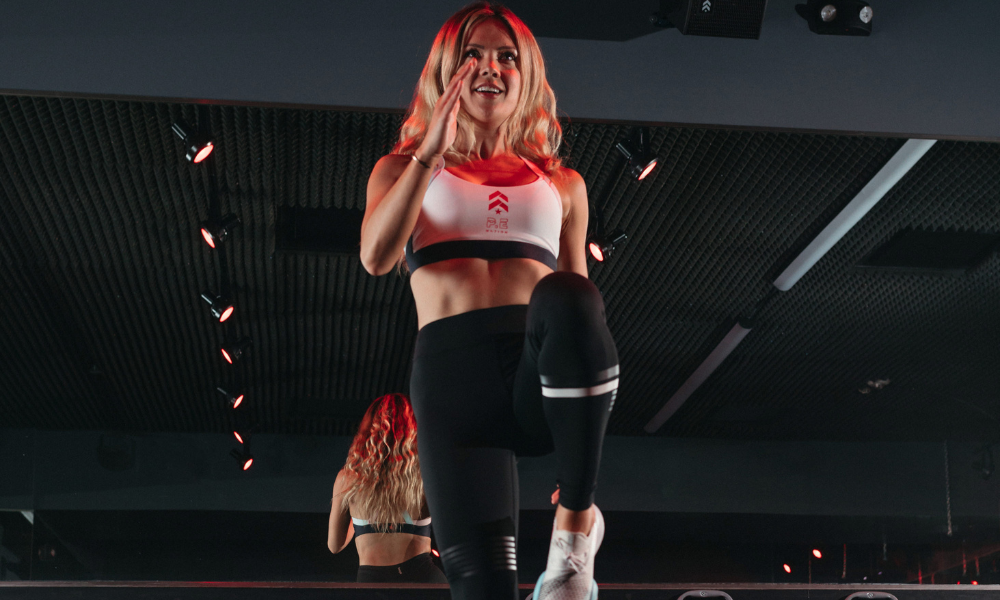
PRO TIP: Use a timer app. I like 40 seconds work, 20 seconds rest for each movement. It keeps you honest and prevents you from cutting rounds short when it gets hard.
3. Pilates (The Low-Impact Strength Builder)
Okay, I need to talk about Pilates because it’s been a total game-changer for me, especially during pregnancy. Pilates is low-impact but incredibly effective for building core strength, improving posture, enhancing flexibility, and creating long, lean muscles.
What makes Pilates special:
- Focuses on core stability and control
- Improves posture and body awareness
- Builds strength without heavy impact
- Enhances flexibility and mobility simultaneously
- Perfect for pregnancy, injury recovery, or anyone who needs gentler movement
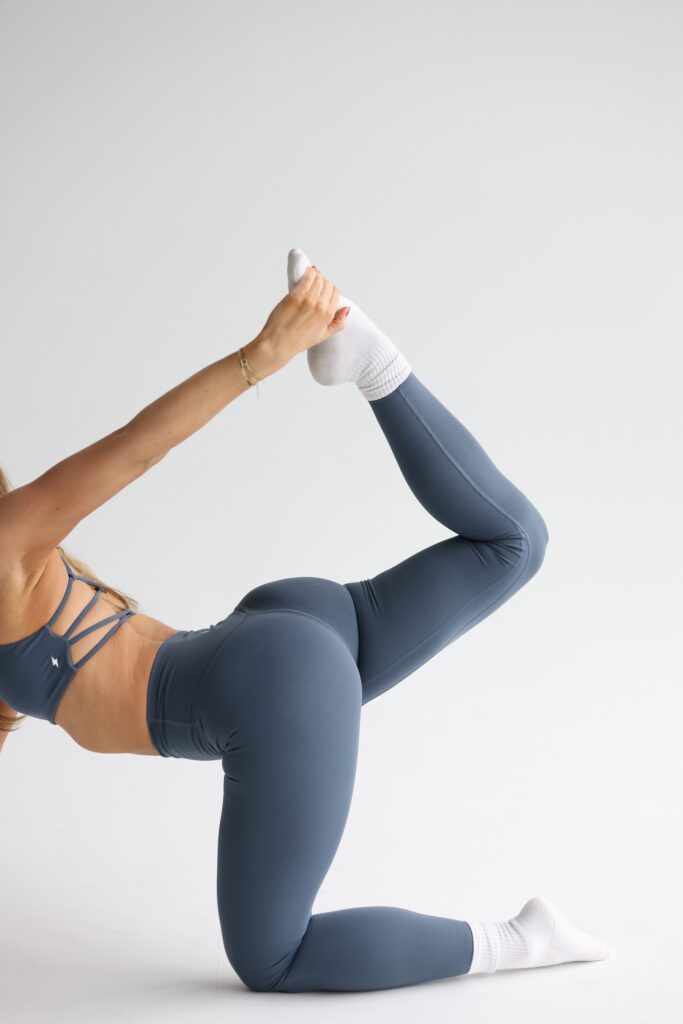
Types of Pilates:
- Mat Pilates: Bodyweight exercises on a mat – accessible and can be done anywhere
- Reformer Pilates: Uses a specialized machine with springs for resistance – my personal favorite
- Clinical/Therapeutic Pilates: Modified for injuries or specific conditions
Sample Pilates routine:
- 10 minutes: Core work (hundreds, roll-ups, leg circles)
- 10 minutes: Lower body (bridges, clamshells, leg lifts)
- 10 minutes: Upper body and balance (plank variations, side planks, arm work)
- 5 minutes: Stretching and cooldown
How often: 2-3 times per week. You can do Pilates on rest days from heavy lifting or as a standalone workout.
REAL TALK: I used to think Pilates was "easy" or just stretching. I was so wrong. It's deceptively hard and you feel muscles you didn't even know existed. Since adding it to my routine, my core strength has improved dramatically, my posture is better, and I feel way more connected to my body. Especially now with pregnancy, it's been essential for maintaining strength without high impact.
4. Zone 2 Cardio (The Underrated MVP)
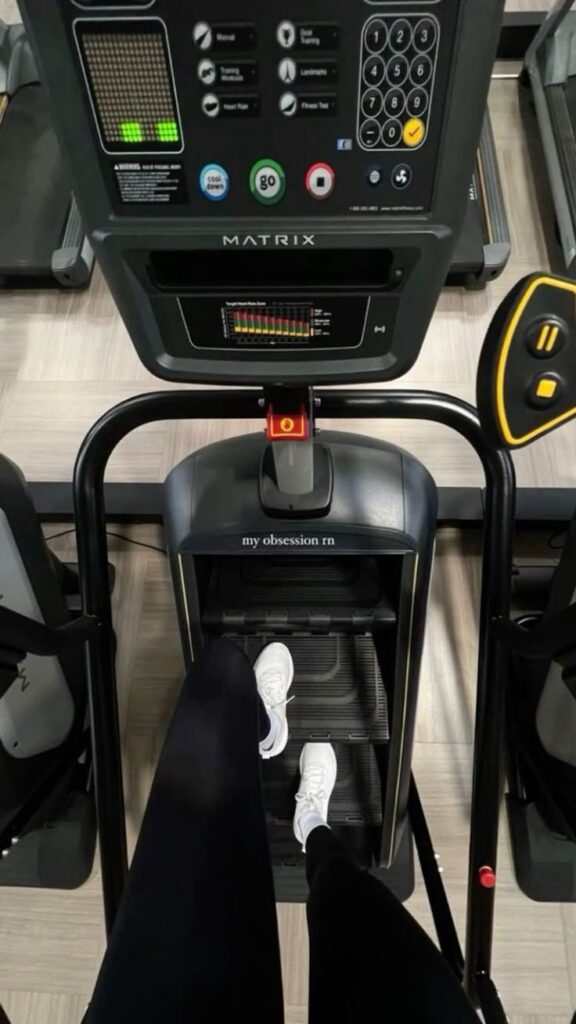
Okay, hear me out on this one. Zone 2 cardio is low-intensity, steady-state cardio where you can still hold a conversation but you’re definitely working. Think brisk walking, easy cycling, or light jogging – you’re at about 60-70% of your max heart rate.
Why it matters:
- Builds your aerobic base and endurance
- Improves cardiovascular health and longevity
- Enhances fat burning and metabolic efficiency
- Supports recovery without taxing your nervous system
- Reduces stress and improves mental clarity
This is the kind of cardio that doesn’t leave you wiped out. It actually gives you energy and helps you recover from harder training sessions.
How to do it:
- 30-60 minutes of steady-state activity
- You should be able to talk in full sentences (the “talk test”)
- Think: walking outside, cycling, swimming, easy elliptical, incline treadmill walk
How often: 2-4 times per week, ideally on non-lifting days or after a strength session.
REAL TALK: Zone 2 cardio isn't sexy or Instagram-worthy, but it's one of the most effective things you can do for your overall health. I do this multiple times a week - usually morning walks or easy bike rides - and it's become one of my favorite parts of my routine. It's when I listen to podcasts, clear my head, and just move without pressure.
5. Recovery-Focused Training (This Is Not Optional)
Recovery is where the magic actually happens. You don’t get stronger during your workout – you get stronger during recovery when your muscles rebuild. If you’re skipping rest, you’re sabotaging your own progress.
Essential recovery strategies:
- Sleep 7-9 hours per night (non-negotiable)
- Nutrition: prioritize protein, eat your veggies, anti-inflammatory foods
- Active recovery: light walks, yoga, gentle movement on rest days
- Mind-body work: meditation, breathing exercises, or just chilling without guilt
Active recovery ideas:
- Zone 2 walks or easy cycling
- Gentle yoga or stretching
- Pilates reformer class
- Swimming or water aerobics
- Foam rolling session
How often: At least one full rest day per week. And no, “active recovery” doesn’t mean another HIIT workout. It means ACTUALLY resting or doing very gentle movement.
REAL TALK: Track how you feel in a journal or your notes app. Recovery isn't just physical - it's mental too. If you're exhausted, irritable, or dreading your workouts, you probably need more rest, not more intensity.
Here’s what a balanced week might look like combining all these methods:
High-Intensity Week:
- Monday: Progressive resistance – Upper body
- Tuesday: Zone 2 cardio (30-45 min walk or bike)
- Wednesday: Progressive resistance – Lower body
- Thursday: Pilates or HIIT strength circuit
- Friday: Progressive resistance – Full body
- Saturday: Zone 2 cardio + light mobility work
- Sunday: Full rest day
Lower-Impact Week (pregnancy, recovery, or just needs gentler movement):
- Monday: Progressive resistance – Upper body (moderate weight)
- Tuesday: Zone 2 cardio (walk or swim)
- Wednesday: Pilates or functional training
- Thursday: Zone 2 cardio
- Friday: Progressive resistance – Lower body
- Saturday: Yoga or mobility work
- Sunday: Full rest or gentle walk
Daily: 5-10 minutes of mobility work

The beauty of having multiple training methods is you can adjust based on how you feel, what your body needs, and what phase of life you’re in. Some weeks you’ll crush heavy lifts and HIIT. Other weeks you’ll lean more on Zone 2 cardio and Pilates. Both are valuable.